Never search for empty cells again
Automatically identify empty cells, failed germination, delayed emergence, and weak seedlings across large-scale tree nursery operations.
Built for tray-based seedling production in modern tree nurseries.
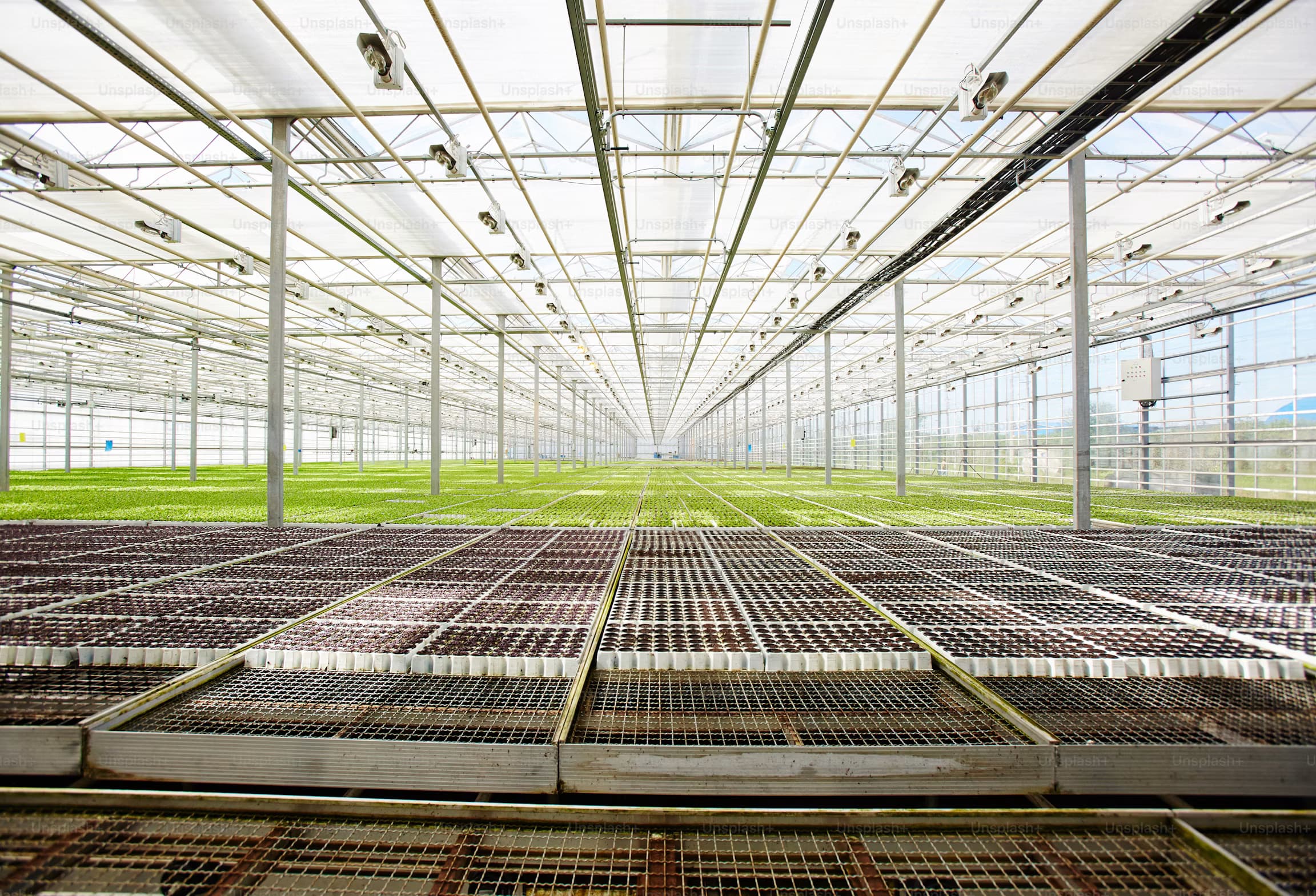
Millions of cells. Too many to inspect manually.
Large tree nurseries work with thousands of trays and millions of individual cells. In every production cycle, some seeds fail to germinate, some seedlings emerge late, and some plants develop too slowly or unevenly.
Traditionally, this requires manual inspection. Workers need to walk the nursery, check trays visually, and decide where intervention is needed. At scale, this process is slow, inconsistent, and difficult to standardize.
COBRA turns tray inspection into a data-driven workflow
COBRA uses cameras, environmental sensors, and software to monitor seedling trays during early development. The system tracks emergence, growth, and uniformity over time, helping the nursery identify where production is performing well and where attention is needed.
Instead of inspecting every cell manually, teams can work from visual tray maps that highlight empty cells, delayed seedlings, weak plants, and uneven batches.
COBRA is a vision-based propagation platform combining cameras, environmental sensors, and software to monitor early plant development in tray-based production systems.
Cell-level status across every tray
Empty cells
Identify cells where no seedling has emerged.
Delayed emergence
Detect seedlings that are emerging later than expected.
Weak seedlings
Highlight plants that are smaller, slower, or less uniform than the batch average.
Uneven trays
Compare tray performance and identify areas with poor germination or irregular growth.
From full-tray inspection to targeted intervention
- 1
Seeds are sown into trays
Production starts in standard plug or tray systems at nursery scale.
- 2
COBRA monitors tray development
Cameras and sensors observe emergence and early growth over time.
- 3
Software flags cells that need attention
Empty cells, delayed emergence, and weak seedlings are identified automatically.
- 4
The nursery receives tray maps and data
Teams review clear visual maps and performance summaries instead of walking every bench.
- 5
Workers focus only where action is needed
Labor goes to the trays, zones, or cells that actually require intervention.
Designed for operational nursery teams
Reduce manual inspection
Spend less time checking every tray and more time solving the areas that need attention.
Improve production uniformity
Detect uneven development earlier and support more consistent batches.
Prioritize labor
Direct workers to the trays, zones, or cells that actually need intervention.
Build production records
Track germination and early growth data across cycles, seed lots, species, and production areas.
Detect problems earlier
Identify weak or delayed growth before it becomes a larger production issue.
Example: replacing manual tray checks
A nursery producing millions of tree seedlings cannot afford to inspect every cell with the same level of attention. COBRA helps the team move from broad manual checks to targeted intervention.
“Which trays have problems?”
- These cells are empty.
- These seedlings are delayed.
- These trays are underperforming.
- These zones need attention.
Want to test COBRA in your nursery?
We are currently selecting pilot partners for nursery applications where vision-based propagation monitoring can solve clear operational problems.